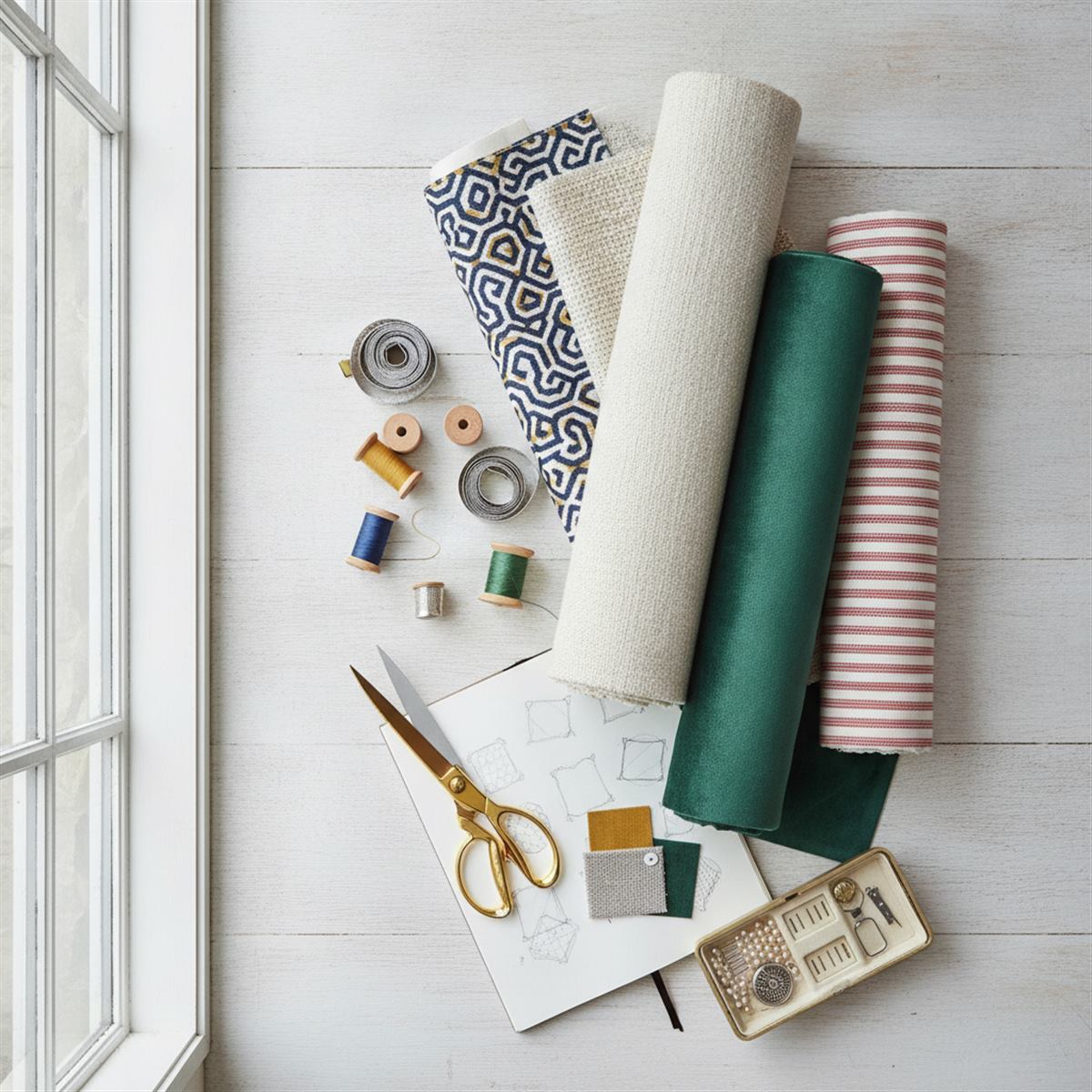
Why Make Your Own Cushion Covers?
Cushion covers are one of the quickest ways to refresh a room, and one of the best first projects for anyone learning to sew. They use very little fabric, they only need straight seams, and you can change them with the seasons. The right fabric makes all the difference to how your cushions look, feel and wear, so here's how to choose.
What Makes a Good Cushion Fabric?
- Durability: cushions get sat on, leaned on and squashed, so medium to heavyweight fabrics last longest.
- A stable weave: fabrics that don't stretch keep their shape and are much easier to sew.
- Washability: removable covers you can wash are a must in family homes.
- Pattern placement: a large motif should sit neatly in the centre of the cushion front.
The Best Fabrics for Cushion Covers
Printed Cushion Panels
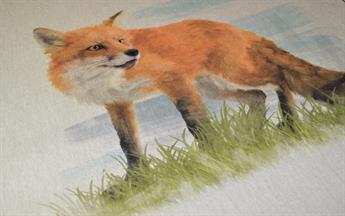
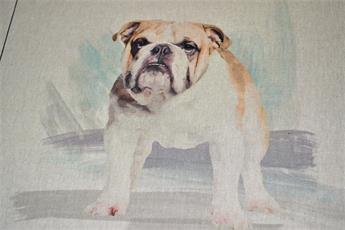
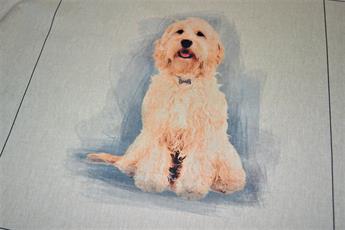
The easiest way to get a professional-looking cushion is to start with a printed panel. The design is already sized and centred for you, so there's no pattern matching. Many of our digitally printed canvas panels measure 46cm x 46cm (18" x 18"), a perfect front for a standard 45cm cushion, in an 80% cotton, 20% polyester linen-look canvas at 200gsm. Browse our animal cushion panels.
Canvas
Canvas is sturdy, affordable and takes a printed design beautifully, which makes it one of the most popular cushion fabrics. Our cotton-rich printed canvas is typically around 140cm wide and 200gsm, heavy enough to hold its shape but still easy to sew on a home machine. Explore our canvas fabric.
Tapestry
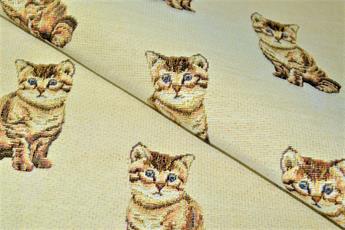
For cushions with a luxurious, heritage feel, choose tapestry. At around 360gsm, our cotton-rich tapestry fabrics are thick and hard-wearing, ideal for sofa cushions that see daily use. See our tapestry fabrics.
Velvet
Velvet cushions add softness, depth of colour and a touch of glamour. They look wonderful on beds and armchairs. Take your time when sewing, as the pile can shift, and pin generously. Browse our velvet fabrics.
Furnishing and Linen-Look Fabrics
If you're making curtains, use the same furnishing or linen-look fabric for matching cushions to pull the room together. See our home and furnishing fabrics.
How Much Fabric Do You Need?
For a simple envelope-back cushion cover (no zip needed), cut:
- One front piece: the size of your cushion pad plus about 2.5cm for seams. For a 45cm pad, that's 47.5cm square, or use a 46cm panel.
- Two back pieces: the same width as the front, and each about two-thirds of its height, so they overlap in the middle.
Good news: from half a metre of 140cm-wide fabric (50cm x 140cm), you can cut the front and both back pieces for one 45cm cushion side by side, with some to spare. For a set of cushions, buy half a metre per cushion, or use a panel for the front and a coordinating plain for the back.
Step-by-Step Envelope Cushion Cover
- Hem one long edge on each back piece by folding it over twice and stitching.
- Lay the front piece right side up.
- Place the two back pieces on top, right sides down, with the hemmed edges overlapping in the middle.
- Pin and sew all the way around with a 1.5cm seam allowance.
- Clip the corners, turn right side out, push the corners out and press.
- Slip in your cushion pad through the envelope opening.
Prefer a zip? A cushion zip is a neat upgrade once you're comfortable with the basic method.
What Else You'll Need
- Cushion pads or filling: see our cushion fillings.
- Zips, if you're adding a closure: see our zips.
- Good thread, pins and sharp scissors: find them in our sewing essentials.
Start Your Cushion Project
For a quick, foolproof make, start with a printed cushion panel. For hard-wearing everyday cushions, choose canvas or tapestry. For something special, try velvet. Whatever you pick, a few cushion covers are an easy way to give any room a fresh new look.
Ready to start your project?
Shop Fabrics →