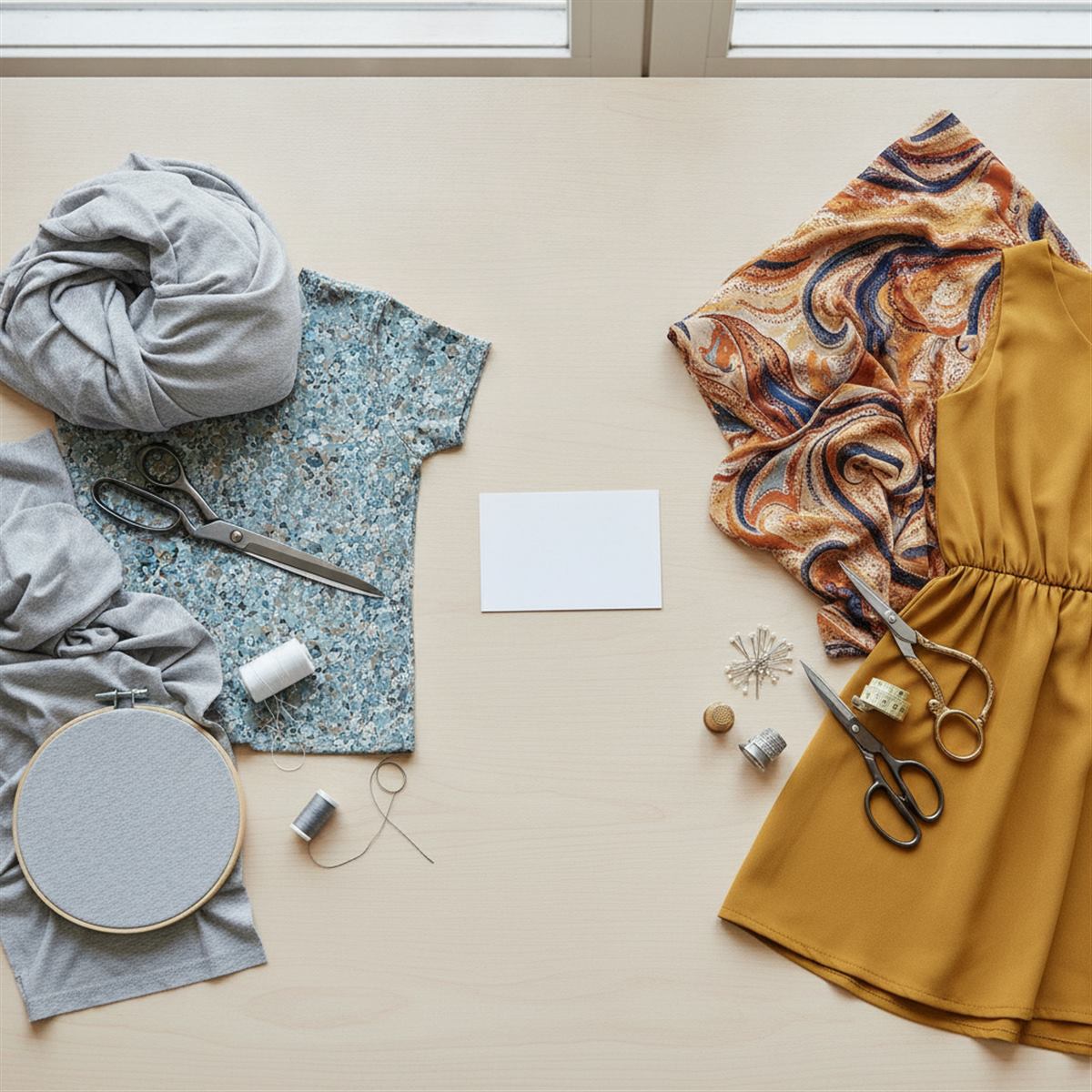
Jersey or Viscose: Why the Question Is Confusing
People often compare jersey and viscose as if they were two different fabrics, but they describe different things:
- Jersey is a construction: a knitted fabric, which is why it stretches.
- Viscose is a fibre: a semi-synthetic fibre made from wood pulp, known for its silky drape.
That means a fabric can be both, for example a viscose jersey. In everyday shopping, though, "jersey" usually means a stretchy knit (often cotton or polyester), and "viscose" usually means a lightweight woven fabric. That's the comparison this guide covers.
What Is Jersey?
Jersey is knitted from loops of yarn, like a very fine version of a hand-knitted jumper. The loops let it stretch and recover, so jersey garments move with you and rarely need zips or buttons. It's the fabric of T-shirts, leggings, loungewear and comfortable dresses.
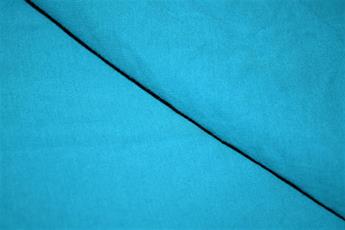
Our plain cotton jersey is 95% cotton, 5% elastane at 150cm wide, and our printed jerseys are around 150cm wide, with some at 220gsm for a soft, substantial feel.
What Is Viscose?
Viscose (sometimes called rayon) is made from cellulose, usually from wood pulp. It's prized for a smooth, fluid drape and a soft, cool feel that's often compared to silk, at a much more affordable price. It's ideal for floaty dresses, blouses and summer tops.
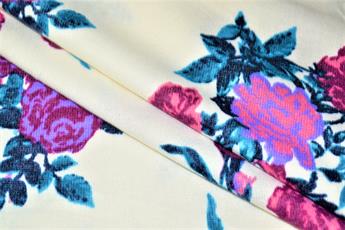
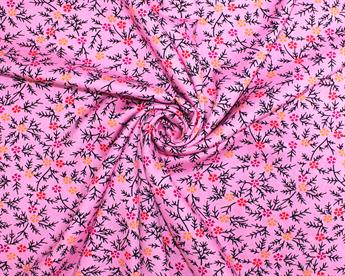
Our viscoses are 100% viscose, around 145–150cm wide, and lightweight at around 90gsm for many of our prints.
Jersey vs Viscose at a Glance
Jersey (knit)Viscose (woven) StretchYes, stretches and recoversLittle to none DrapeClingy, body-skimmingFluid and floaty FeelSoft and comfortableSmooth, cool and silky BreathabilityGood (especially cotton jersey)Very good, great in warm weather CreasingResists creasesCreases fairly easily Ease of sewingNeeds stretch techniquesSlippery, needs care Best forT-shirts, leggings, loungewear, casual dressesSummer dresses, blouses, wide-leg trousers Which Should You Choose?
- Choose jersey for comfort, stretch and easy wear: T-shirt dresses, tops, kidswear and anything you'll move a lot in.
- Choose viscose for elegance and airflow: summer dresses, blouses and garments with gathers, flounces or bias-cut skirts.
Sewing Tips for Jersey
- Use a ballpoint or stretch needle so the needle slips between the loops instead of snagging them.
- Sew with a narrow zigzag or stretch stitch, or use an overlocker, so seams can stretch without popping.
- Don't pull the fabric as you sew. Let the machine feed it, and a walking foot can help.
- Many jerseys don't fray, so hems can be left raw or finished with a twin needle.
Sewing Tips for Viscose
- Pre-wash it. Viscose can shrink, so wash it the way you'll wash the finished garment.
- Use a fine, sharp needle (a microtex needle works well) and plenty of pins or pattern weights.
- Cut on a large flat surface, and consider a rotary cutter to stop the fabric shifting.
- Finish seams (French seams look lovely) because viscose frays.
- Press with a cool to medium iron, ideally through a pressing cloth.
Find Your Fabric
Browse our jersey fabric and plain cotton jersey, or explore our viscose fabrics and plain viscose. Planning a dress? Our guide on how much fabric you need for a dress will help you buy the right amount.
Ready to start your project?
Shop Fabrics →