Polycotton in a Nutshell
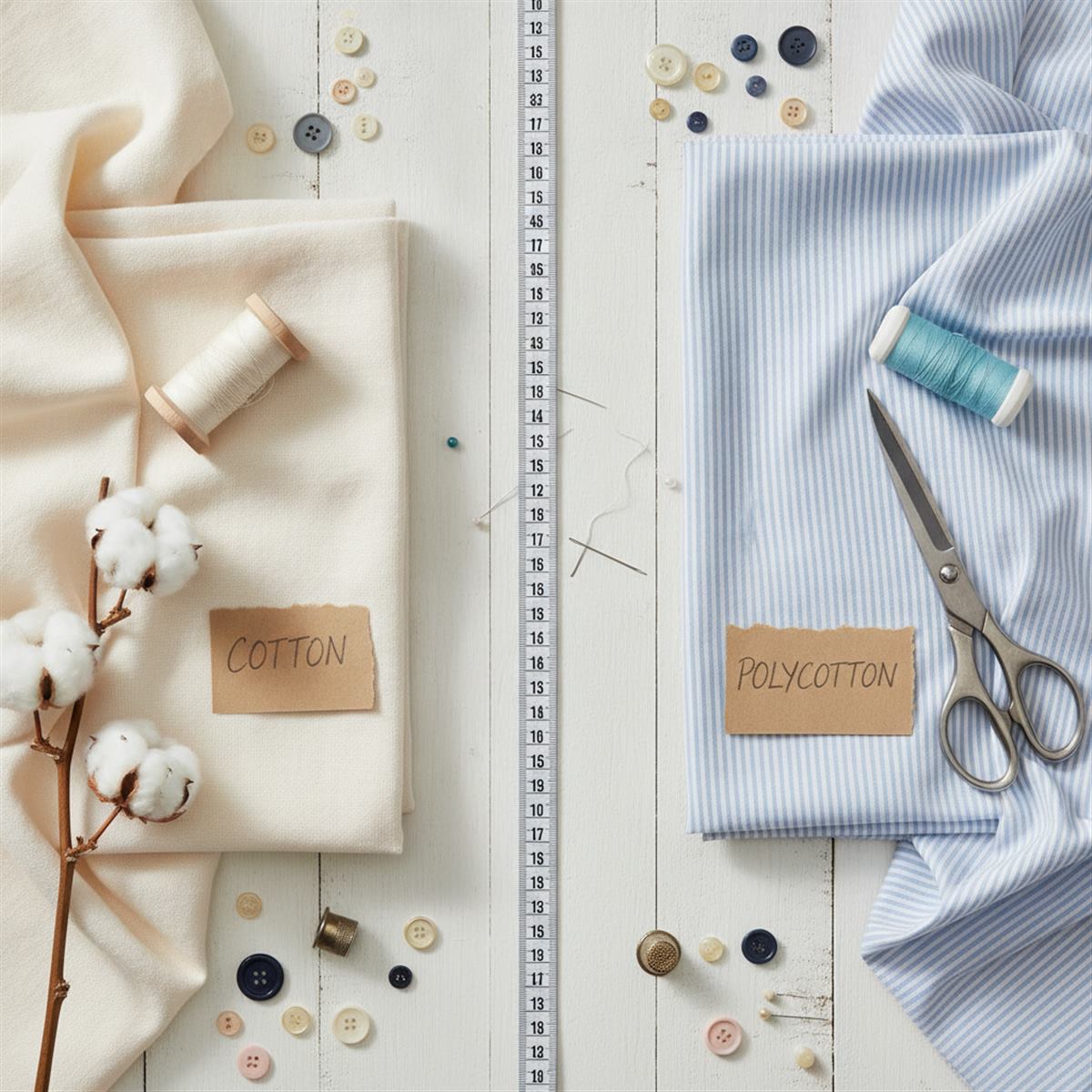
Polycotton is a blended fabric woven from polyester and cotton fibres. You get some of the softness and breathability of cotton together with the strength, colour-fastness and easy care of polyester. That mix is why polycotton turns up everywhere, from bed sheets and school shirts to bunting, face coverings and costume projects.
If you've ever wondered whether polycotton is "good" fabric, the honest answer is that it depends on what you're making. This guide explains how the blend works, where it beats 100% cotton, where it doesn't, and how to choose the right width for your project.
What Do the Percentages Mean?
Polycotton is always sold with a composition, such as 80% polyester / 20% cotton. The first number tells you which fibre dominates, and that changes how the fabric behaves:
- More polyester (for example 80/20 or 70/30): crisper, more crease-resistant, quicker drying and very budget-friendly. Colours and prints stay bright wash after wash.
- More even blends (around 50/50): softer and a little more breathable, which is why this ratio is popular for bedding.
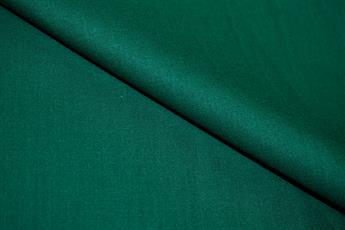
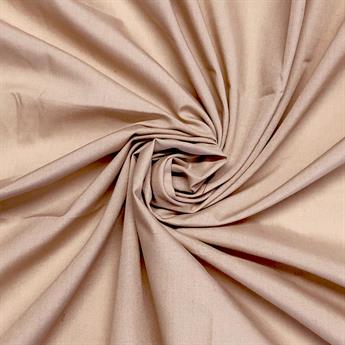
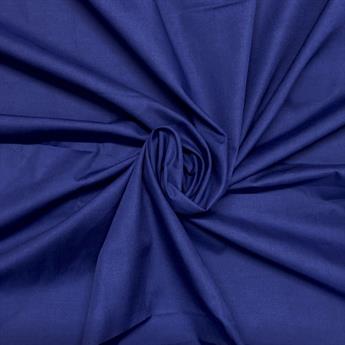
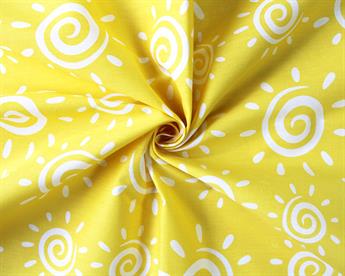
Across our range you'll find several blends. Our printed polycottons are typically 80% polyester, 20% cotton at around 90gsm, our 60-inch plain polycotton is 70% polyester, 30% cotton at 105gsm, and our extra-wide polycotton sheeting is a softer 52% polyester, 48% cotton at 110gsm. Always check the product description, because it lists the exact composition, width and weight.
Polycotton vs 100% Cotton
Neither fabric is better across the board. They suit different jobs.
Polycotton100% Cotton CreasingResists creases, needs little ironingCreases more easily ShrinkageMinimalCan shrink, so pre-washing is wise BreathabilityGoodExcellent Drying timeFastSlower PriceUsually lowerUsually higher Pressing crisp seamsHarder to press sharpPresses beautifully In short: choose polycotton when you want something hard-wearing, low-maintenance and affordable. Choose 100% cotton when breathability and crisp pressing matter most, such as for quilting or summer clothing worn next to the skin.
What Is Polycotton Used For?
- Bedding: sheets, duvet covers and pillowcases. Extra-wide sheeting means you can make a double duvet cover without a join down the middle.
- Clothing: shirts, children's clothes, uniforms, aprons, linings and dance or costume pieces.
- Home and crafts: tablecloths, napkins, cushion covers, bunting, bags and toys.
- Practical makes: scrubs, face coverings and anything that needs frequent washing.
- Toiles: inexpensive plain polycotton is ideal for testing a dress pattern before you cut into your good fabric.
Choosing the Right Width
Polycotton comes in very different widths, and picking the right one can save you money:
- 112cm (44"): the standard width for most prints. Great for clothing, crafts and smaller home projects. Browse our printed polycotton for hundreds of designs.
- 150cm (60"): plain colours with more usable width, which is handy for dressmaking and tablecloths.
- 240cm (94"): sheeting width. Use it for bed linen, large tablecloths and backdrops where a seam would look out of place. See our extra-wide polycotton sheeting.
Because we sell fabric in half-metre steps, it's worth working out how much you need with the width in mind. A wider fabric often means you can buy fewer metres.
Caring for Polycotton
- Most polycotton is machine washable at a warm temperature. Follow the washing guidance in each product description.
- Avoid a very hot iron. Polyester fibres don't like high heat, so use a medium setting.
- Tumble drying on low is usually fine, and polycotton comes out with far fewer creases than cotton.
- Pre-washing isn't essential, as shrinkage is minimal, but it's a good habit if you're combining it with 100% cotton in the same project.
Is Polycotton Right for Your Project?
If you want colourful, affordable fabric that washes well and doesn't need much ironing, polycotton is hard to beat. For quilts and breathable summer garments, reach for cotton instead. Many sewists keep both in their stash.
Explore our full polycotton fabric collection, or compare plain colours in our plain and polycotton range. If you're unsure which to choose, our Help Centre answers common questions, or you can get in touch with our team.
Ready to start your project?
Shop Fabrics →